
Unpacking Vietnam’s Fossil Fuel Ban, EV Hype & Who Really Wins
Table of Contents
- Introduction: A Bold New Agenda—But at What Cost?
- The Rise of Electric Bikes in Vietnam
- Challenges: Why This Shift May Not Be Feasible
- What Powers the Electric Revolution?
- There Are Benefits—But They’re Being Overshadowed
- So What Could Be a Better Path Forward?
- Profit or Planet? The Corporate Takeover
- Final Words: Let’s Build True Sustainability References (APA Style)
Introduction: A Bold New Agenda—But at What Cost?
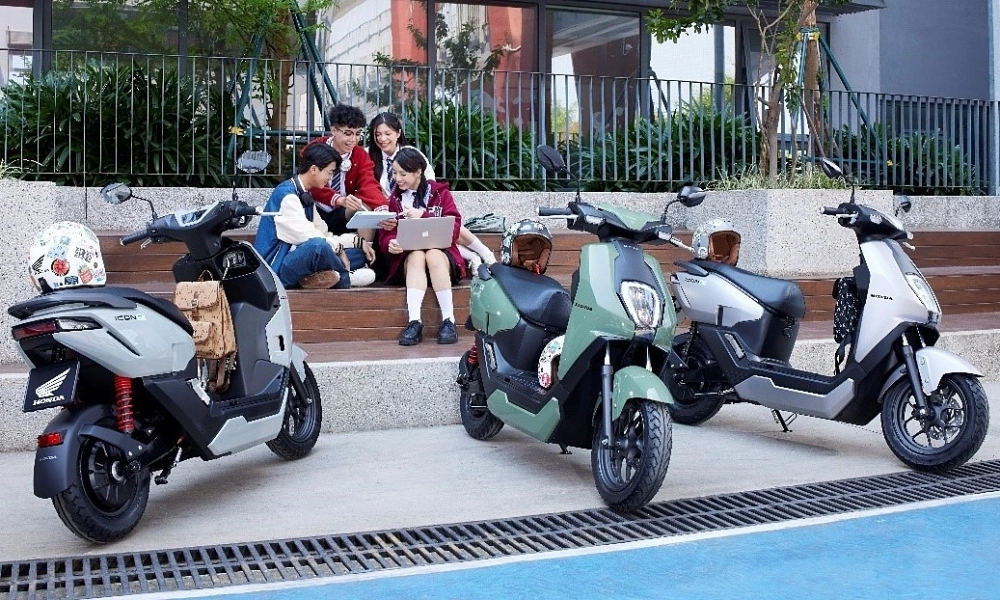
Electric bikes Hanoi are about to take over the streets. With a bold new policy to eliminate petrol-powered motorbikes by 2026, the Vietnamese capital is charging ahead into an electric future. But is this rapid shift truly sustainable—or simply another form of environmental compromise?
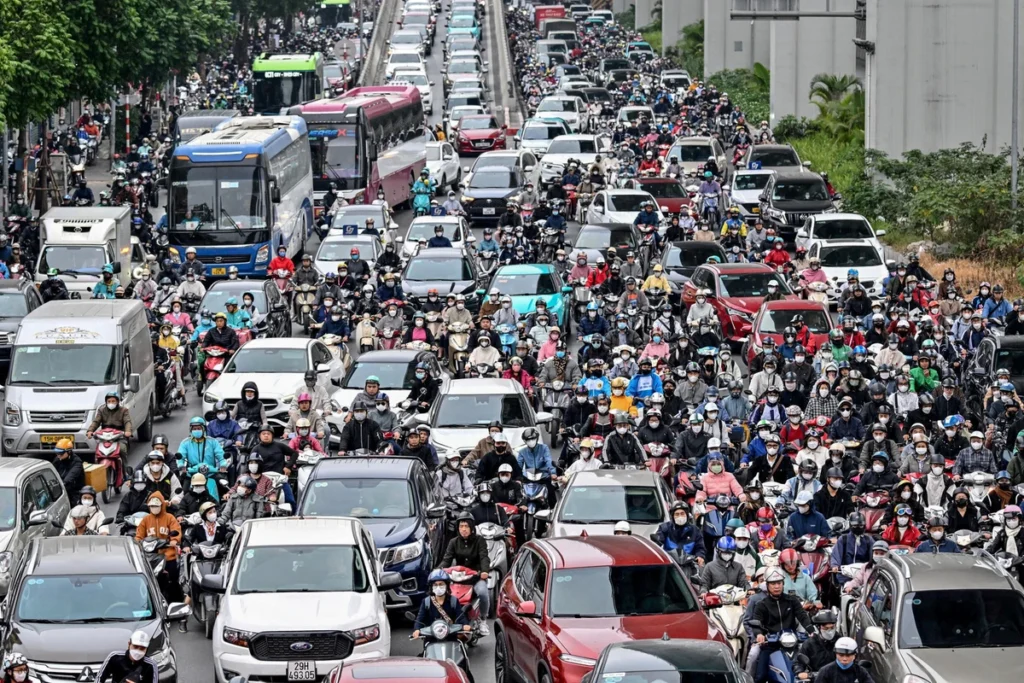
Vietnam’s capital city, Hanoi, has announced a sweeping plan to ban all petrol-powered motorbikes by 2026, pushing for a 100% electric bike future. In a country where over 50 million motorbikes are in daily use, this is a radical pivot meant to tackle urban pollution and climate change.
But behind the headlines and hopeful PR, a question rises like thick smog:
Is this truly a sustainable solution—or just a reshuffling of the same environmental debt?
The Rise of Electric Bikes in Vietnam
Vietnam has long been a motorbike nation. From bustling street vendors to Grab drivers, these two-wheelers are the heartbeat of the economy.
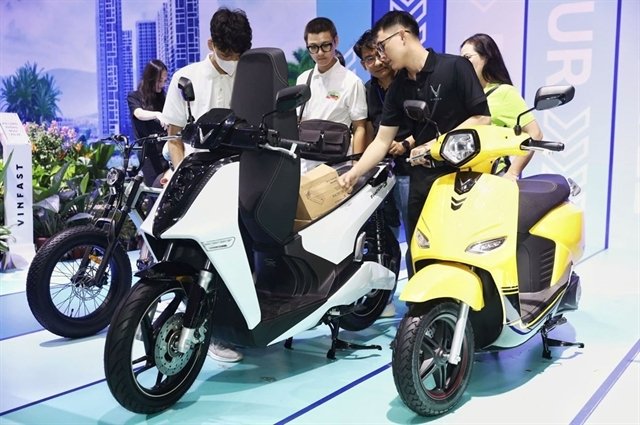
Enter VinFast, Vietnam’s electric vehicle powerhouse. With sleek designs, exclusive charging station networks, and government backing, VinFast is poised to dominate the EV market.
On the surface, replacing petrol bikes with electric ones sounds clean and green. But in practice, the plan to eliminate all fossil-fuel motorbikes within a year or two feels rushed, unrealistic, and unequal.
Challenges: Why This Shift May Not Be Feasible
Cost & Accessibility
Electric bikes range from 18 to 50 million VND, a steep price for many Vietnamese citizens.
Low-income families, delivery drivers, and students often rely on secondhand petrol bikes to survive.
There are currently no substantial subsidies or trade-in programs for old bikes, and no guarantee of recycling the millions of motorbikes that will suddenly become obsolete.
Waste from Dead Batteries
An electric bike battery typically lasts around 10,000 kilometers—often just 1–2 years of use. After that?
- The battery must be replaced.
- Disposal options are limited and unsafe.
- Lithium-ion batteries leak toxins into the earth and water if improperly discarded.
“We may be trading air pollution for soil and water contamination, unless long-term waste strategies are developed.”
What Powers the Electric Revolution?
Environmental Exploitation
Lithium batteries aren’t just environmentally hazardous—they’re also ethically fraught.
Most lithium and cobalt mining occurs in Africa and South America, where:
- Children as young as 7 work in hazardous, unregulated mines.
- Workers face toxic exposure, physical injuries, and extreme exploitation.
- Local ecosystems are destroyed to feed global EV demand.
“In the Democratic Republic of Congo, thousands of children risk their lives daily to mine cobalt—used in the batteries of electric bikes and cars worldwide” (Amnesty International, 2020).
The Power Grid Problem
Electric vehicles don’t pollute directly, but they still rely on electricity—and Vietnam’s grid is mostly powered by coal.
According to the Vietnam Energy Outlook Report (2023), over 50% of electricity comes from fossil fuels.
“If your electric bike runs on coal-powered electricity, it’s still fossil-fueled—just with a cleaner-looking disguise.”
There Are Benefits—But They’re Being Overshadowed
Yes, electric bikes can reduce:
- Air pollution in crowded cities
- Noise pollution, making urban life more peaceful
- Dependence on foreign oil
But none of these benefits will be meaningful if:
- The power grid still runs on coal
- The batteries create new waste
- Millions are economically excluded from the transition
- Exploitation and deforestation continue behind the scenes
So What Could Be a Better Path Forward?
1. A Gradual, Phased Transition
Shift over 5–10 years, not 1. Give people time to:
- Save
- Adjust
- Access alternatives
2. National Battery Recycling Program
Create regulated systems for collecting, recycling, and repurposing old batteries.
3. Invest in Clean Energy
Vietnam should:
- Reduce dependence on coal
- Expand solar, wind, and hydroelectric power
- Make sustainable energy accessible for all regions
4. Public Transport Overhaul
Build safe, efficient, electric buses, metros, and shared transport systems.
5. Support Working-Class Riders
Introduce:
- Trade-in programs
- Subsidies for riders and delivery workers
- Income protections
Profit or Planet? The Corporate Takeover
Let’s not forget who gains most here.
Companies like VinGroup and Sun Group continue to clear forests, pave coastlines, and build mega-developments, all in the name of progress. These same names are now riding the green wave of EV branding.
“Is this really about clean air—or corporate gain?”
Final Words: Let’s Build True Sustainability
This transition could be a good thing—if done consciously.
But right now, it feels like a green mask covering deeper environmental injustice.
We need leadership that:
- Protects nature, not just profit
- Includes everyone, not just the wealthy
- Fixes broken systems, not just swaps their parts
Real sustainability means respect for people, respect for the planet, and policies rooted in wisdom, not haste.
Let’s ride toward a cleaner Vietnam—but not by crushing those who can’t afford the journey.
References (APA Style)
Amnesty International. (2020). This is what we die for: Human rights abuses in the Democratic Republic of the Congo power the global trade in cobalt.
https://www.amnesty.org/en/documents/afr62/3183/2016/en/
Statista. (2023). Number of registered motorcycles in Vietnam.
https://www.statista.com/statistics/1117748/vietnam-number-of-registered-motorcycles/
Vietnam Investment Review. (2023). Electric vehicle transition in Vietnam: Opportunities and challenges.
https://vir.com.vn/vietnam-electric-vehicle-market-holds-potential-but-faces-obstacles-101530.html
Vietnam Energy Outlook Report. (2023). Danish Energy Agency & Ministry of Industry and Trade of Vietnam.
https://ens.dk/sites/ens.dk/files/Globalcooperation/veor2023summary_en.pdf